

Bring Film Back to Car Shows: A Morning at Coffee & Cars at POST
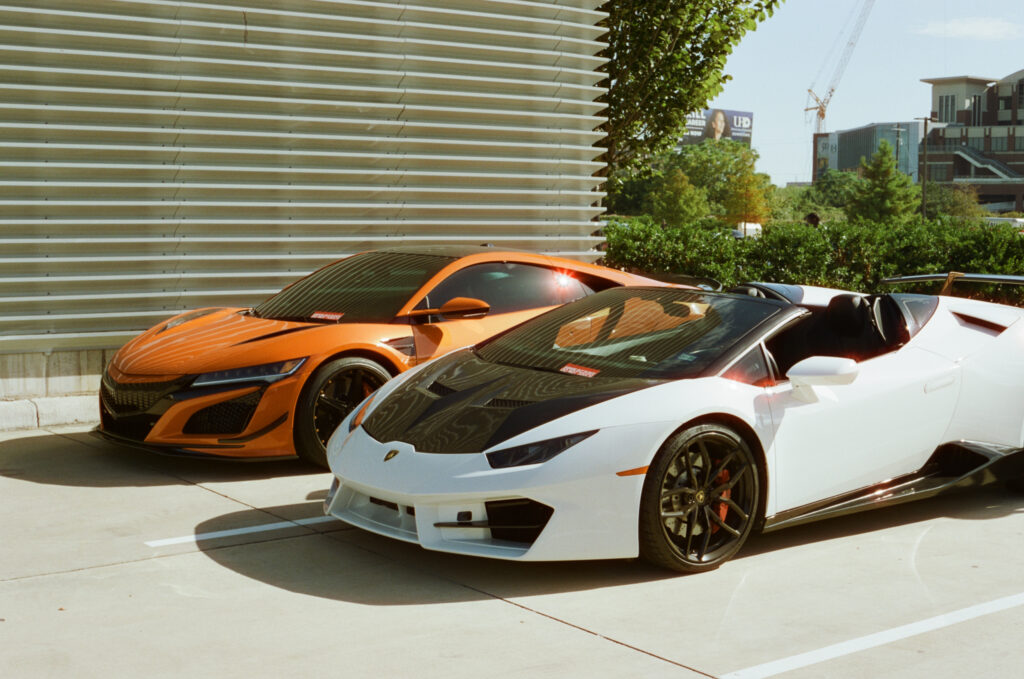
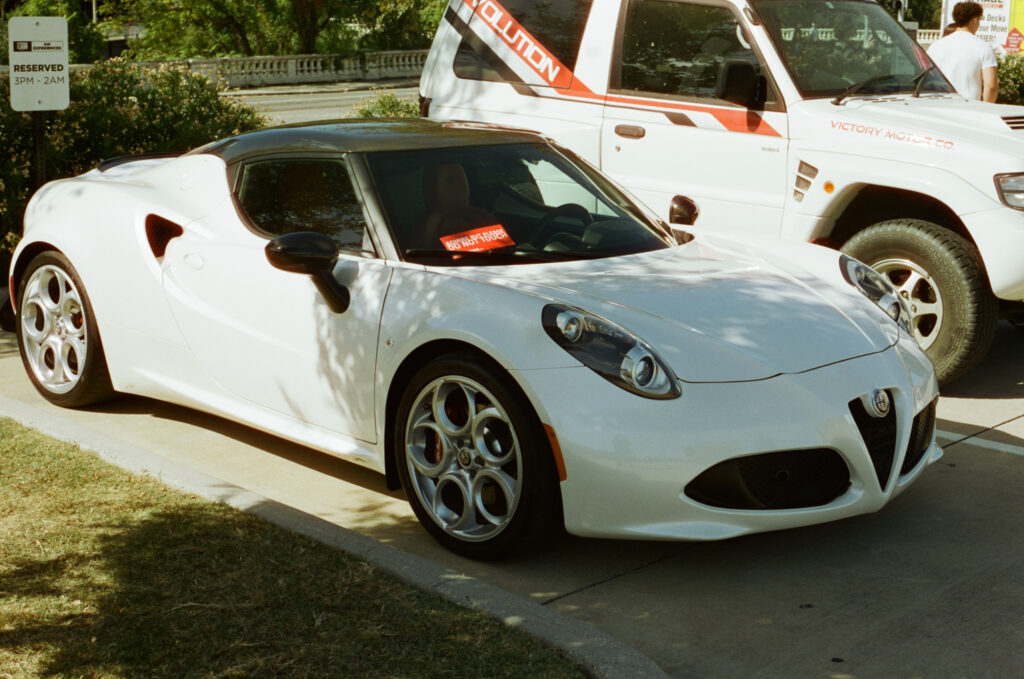
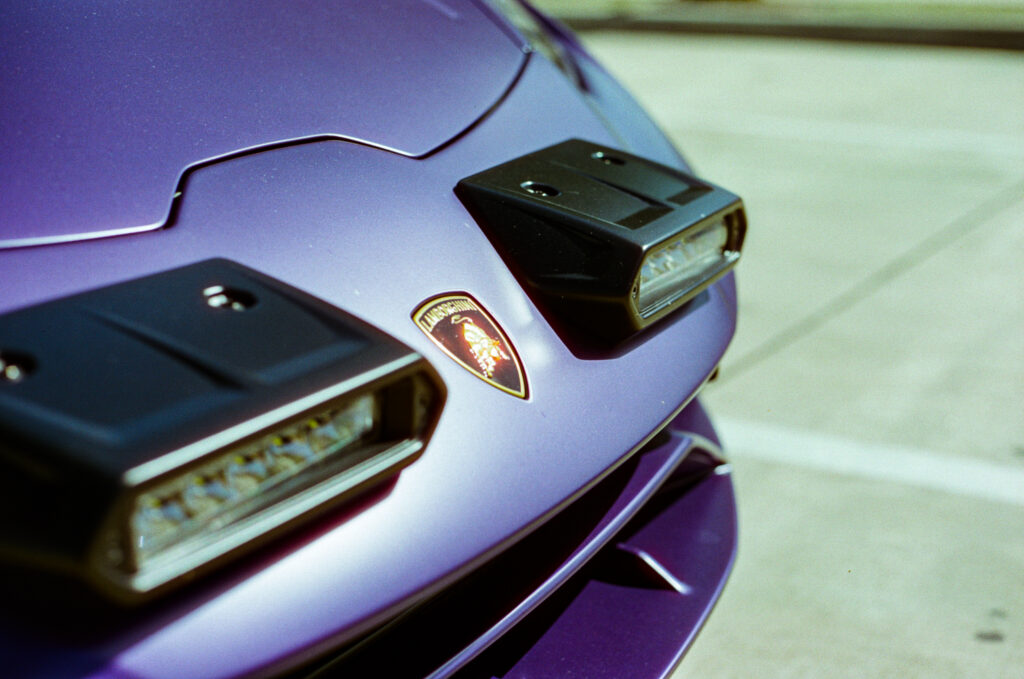
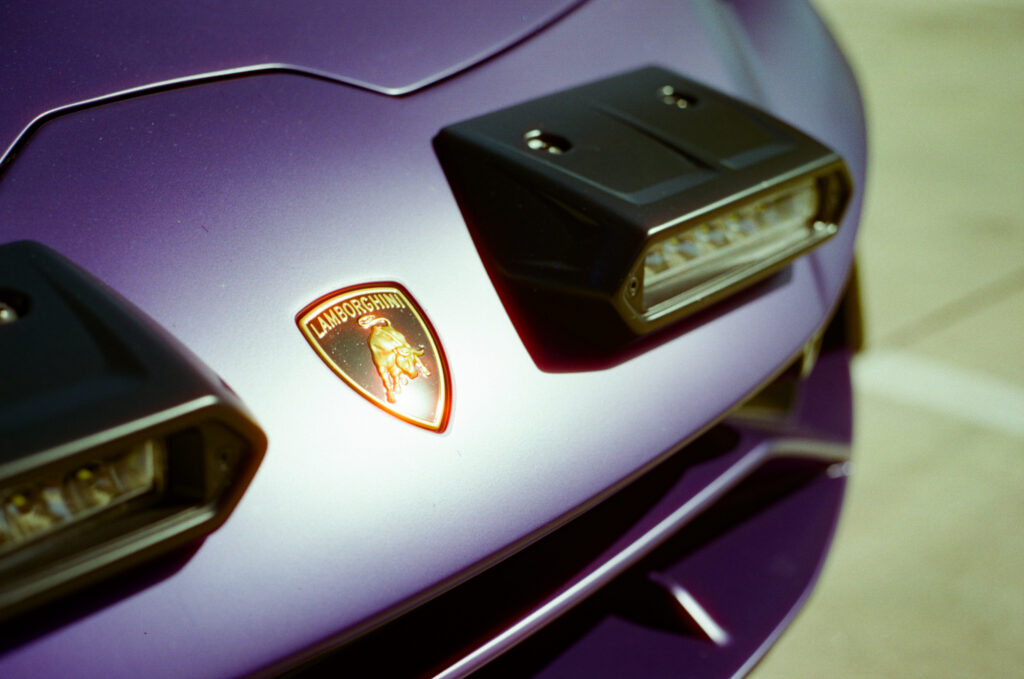
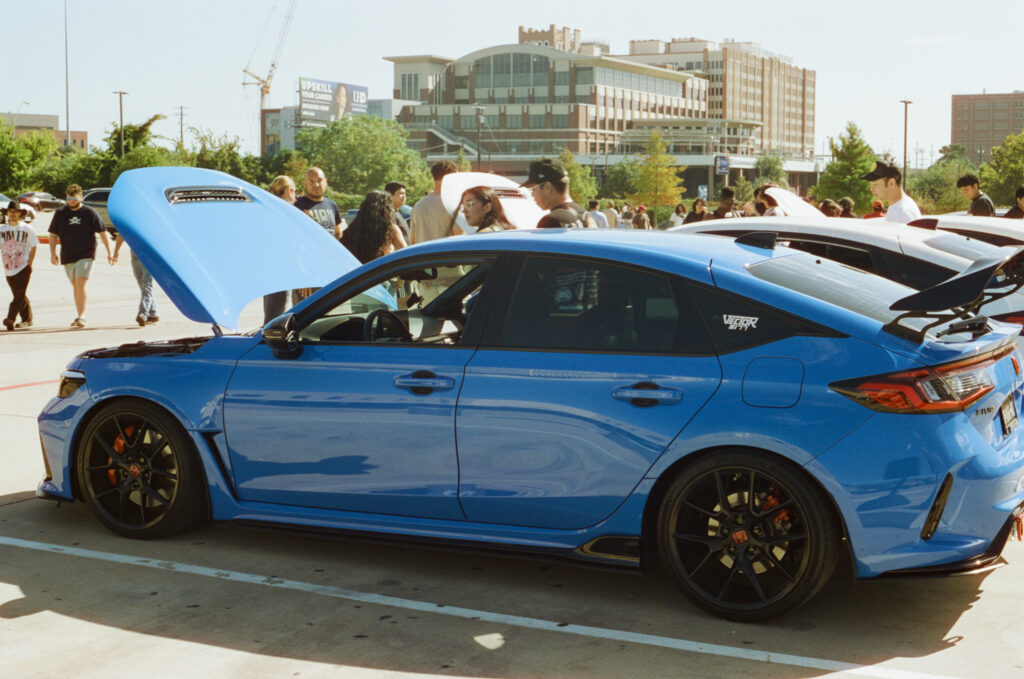
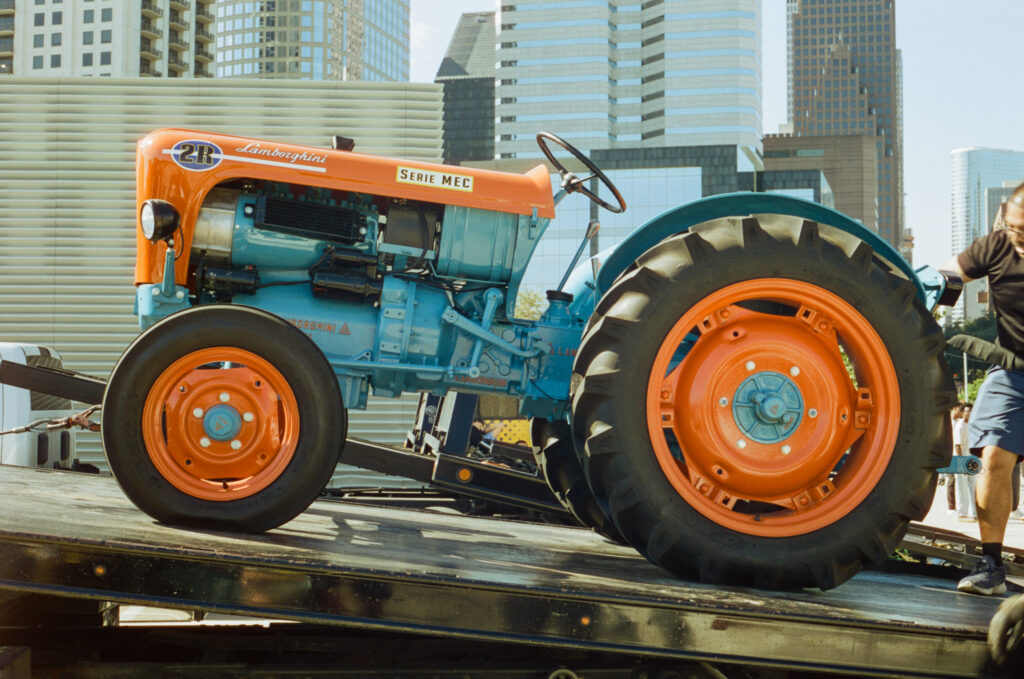
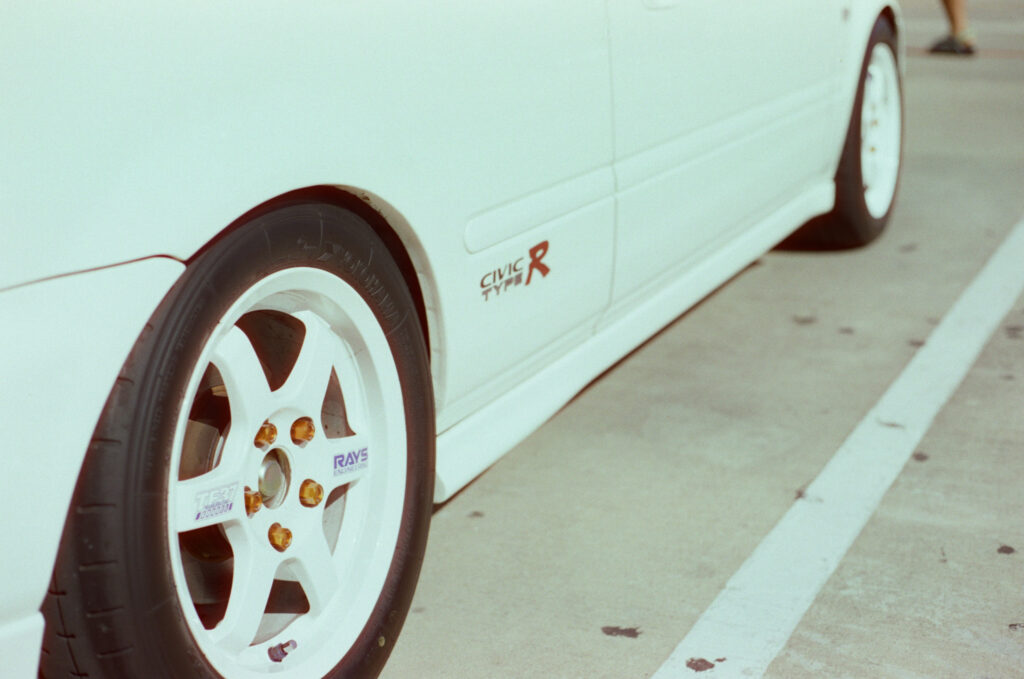
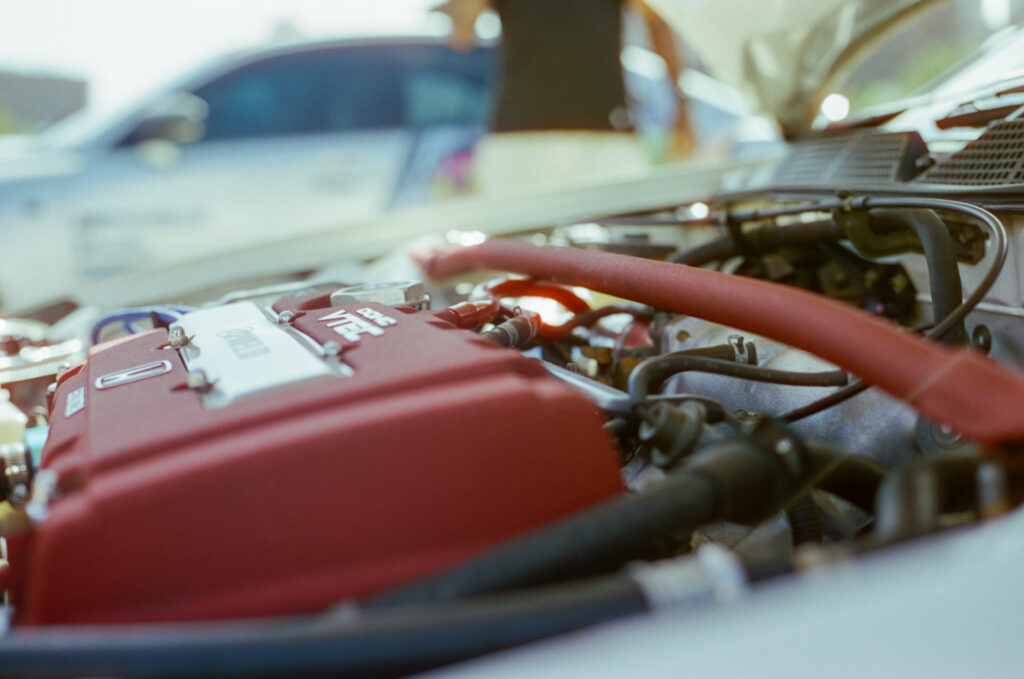
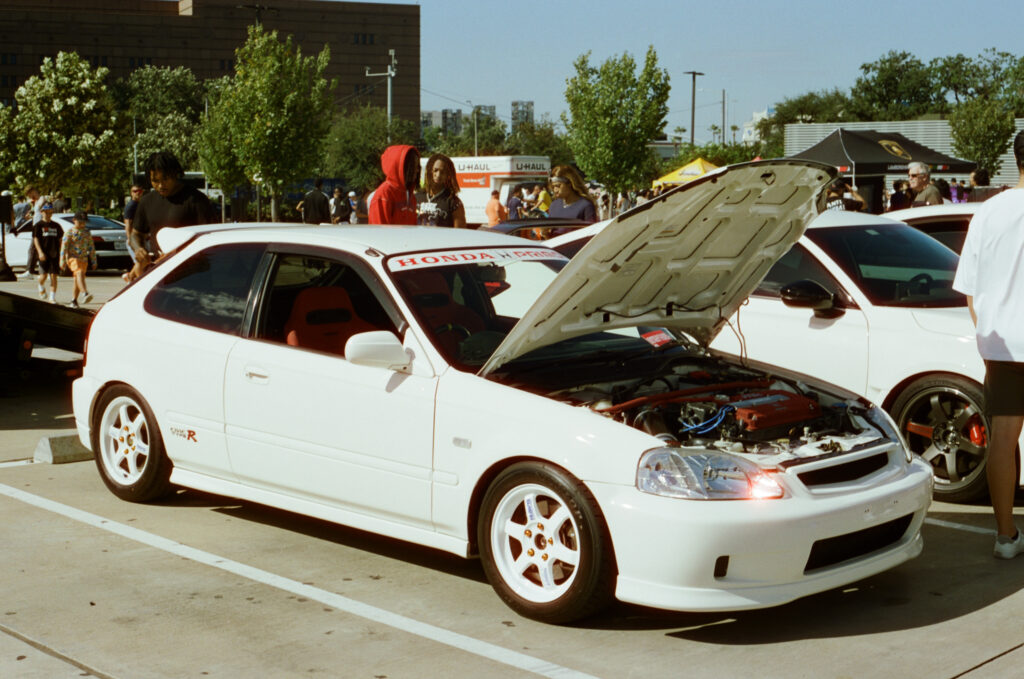
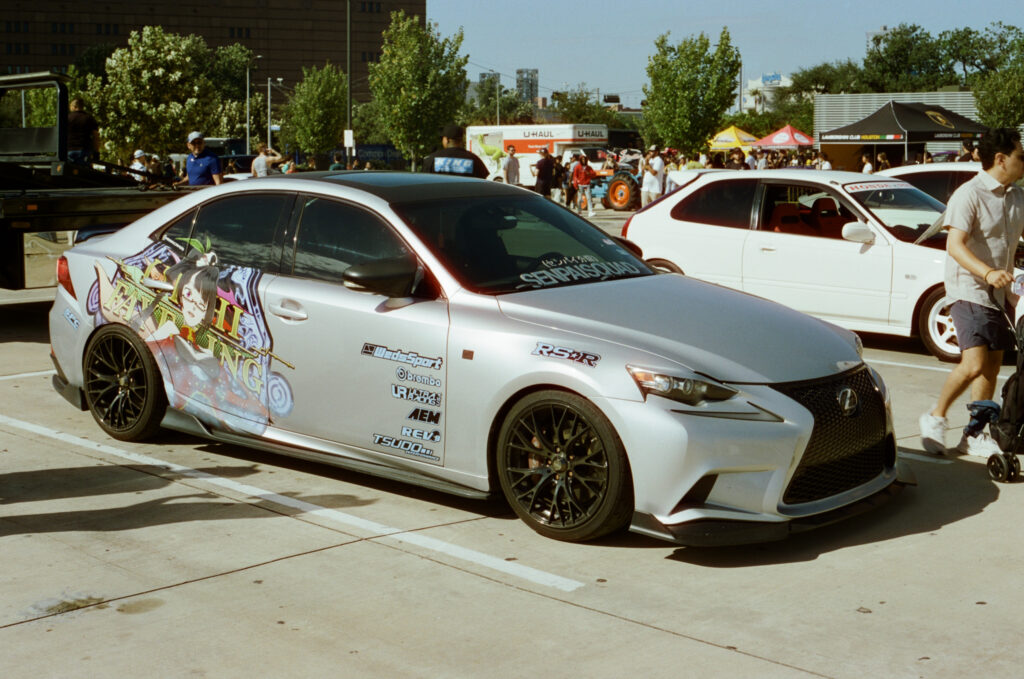
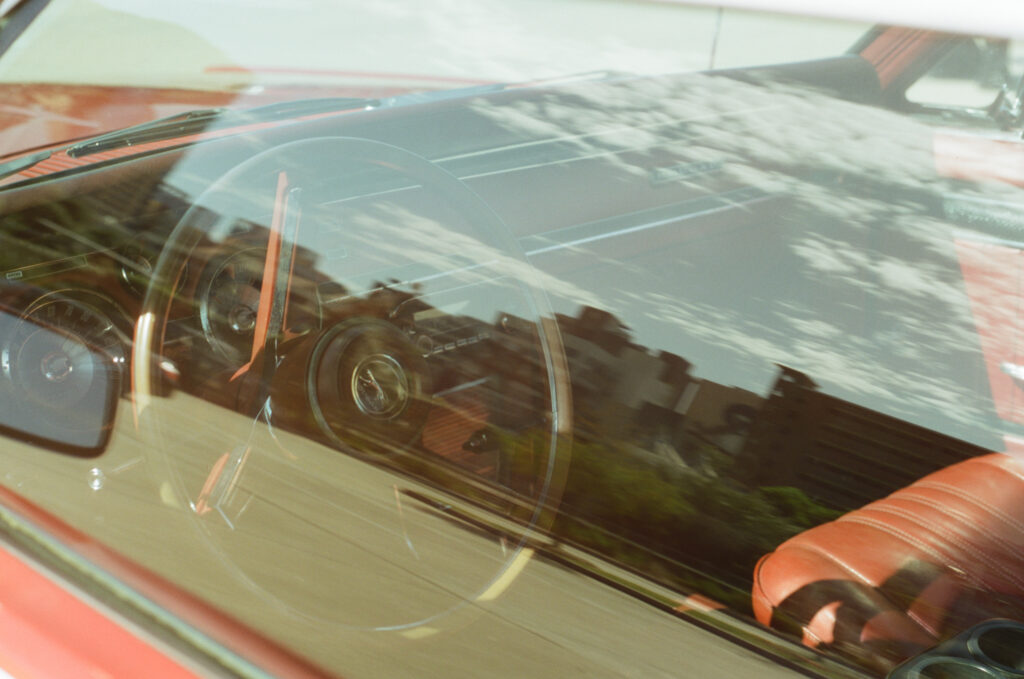
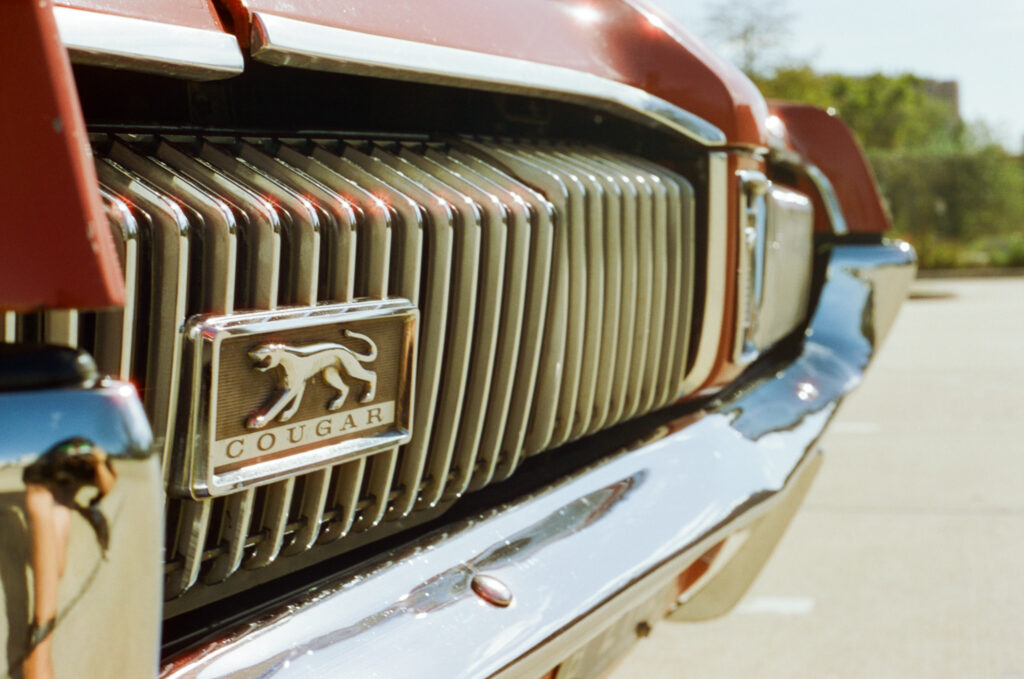
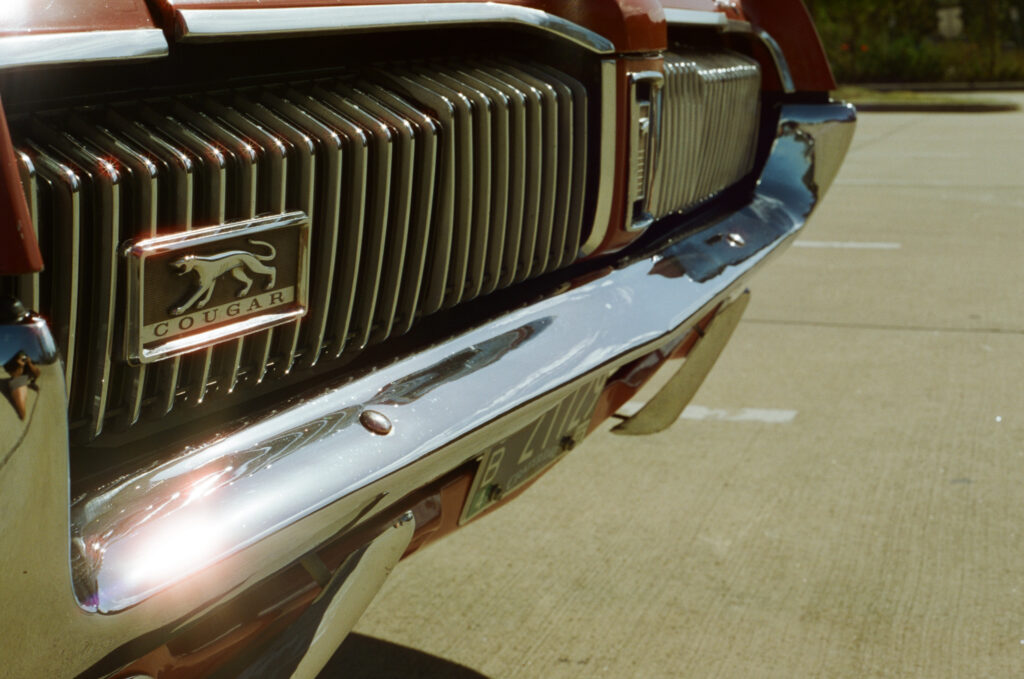
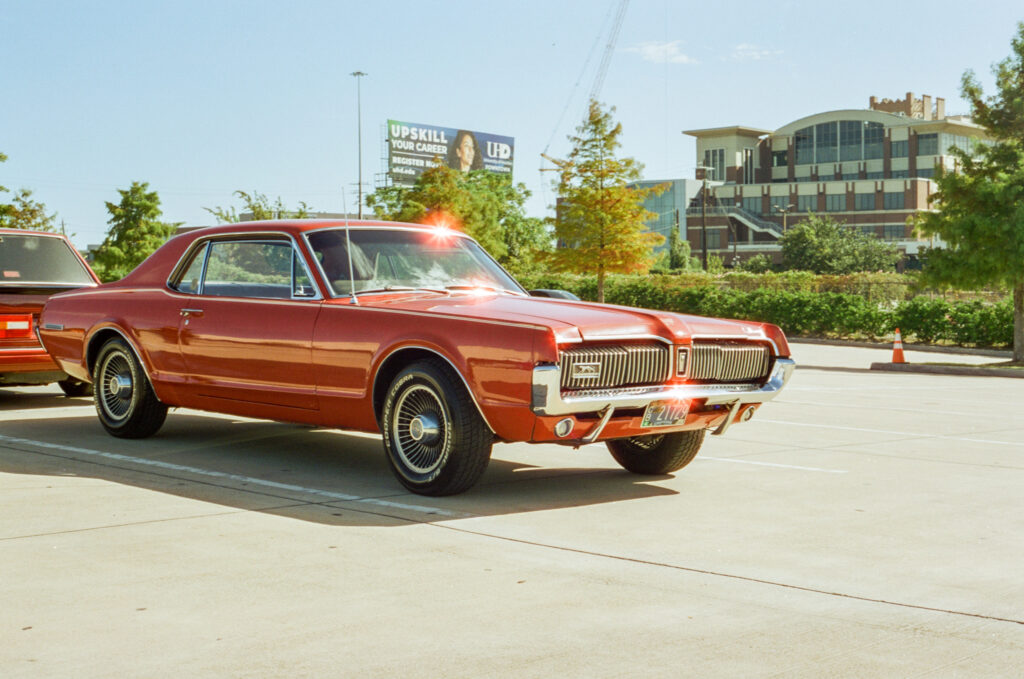
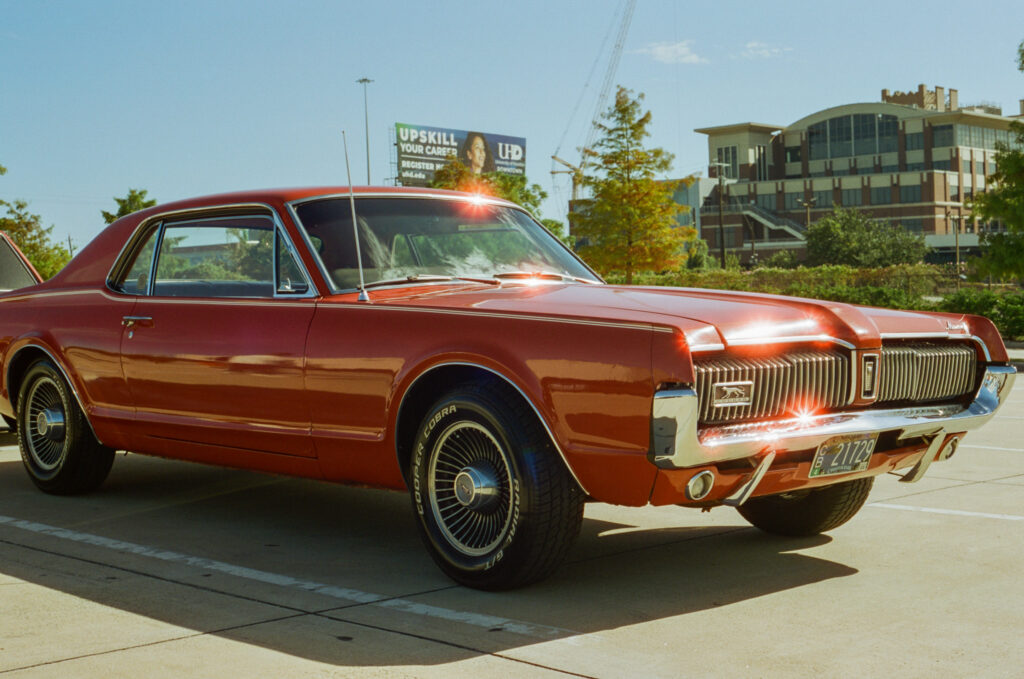
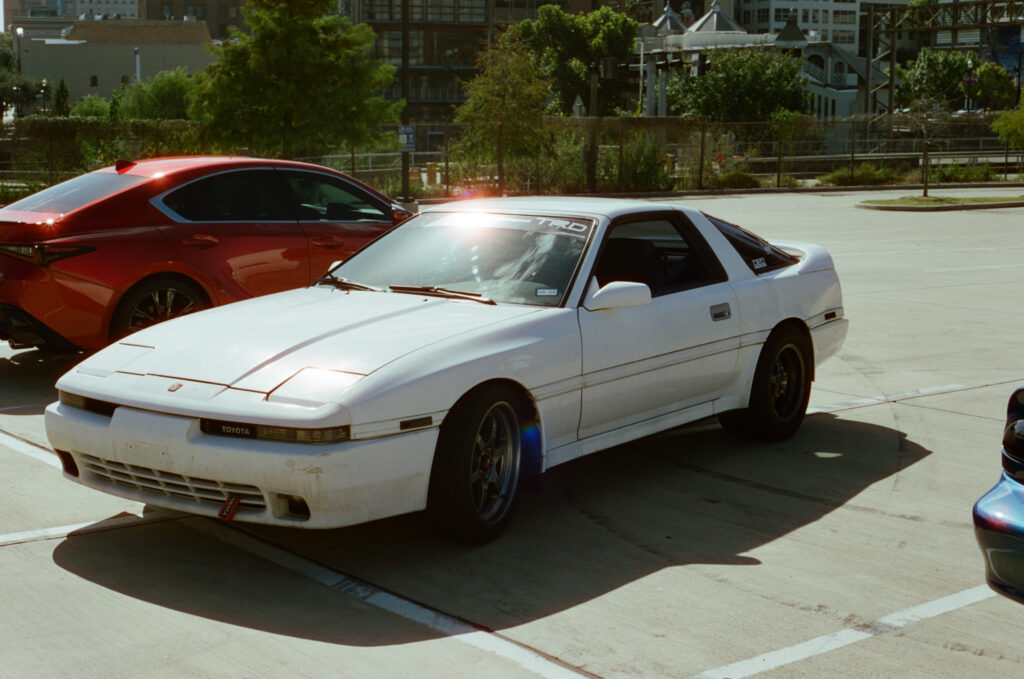
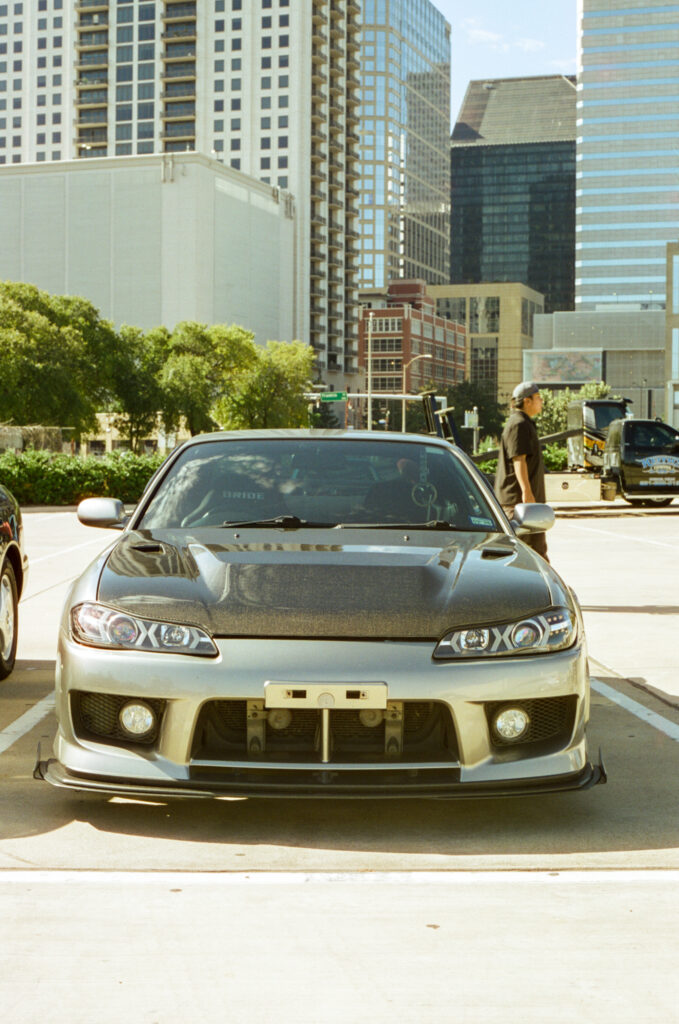
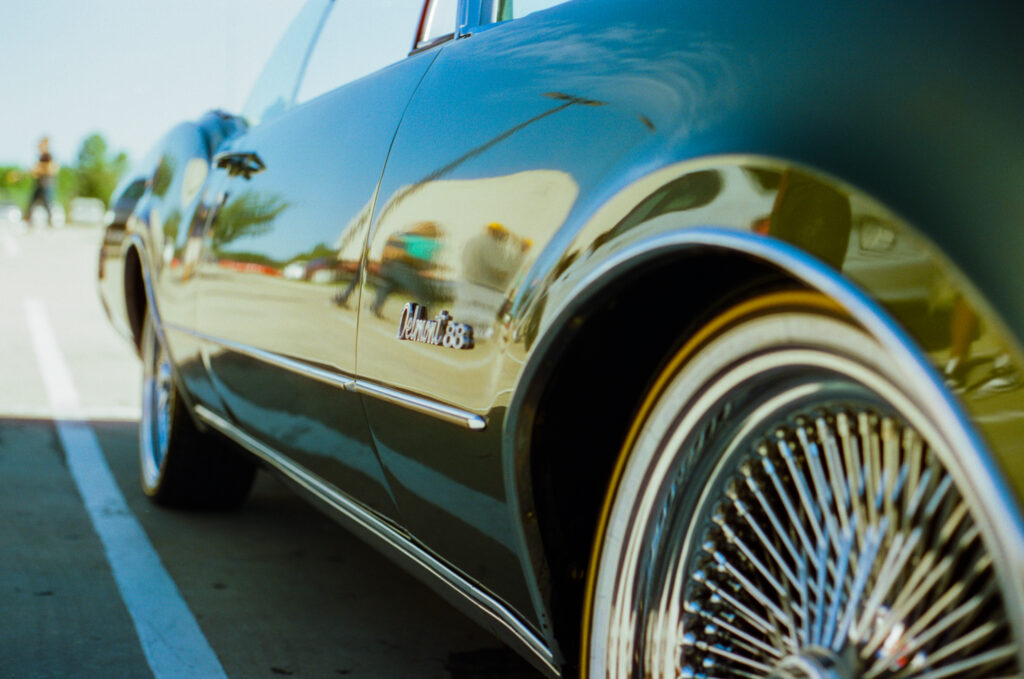
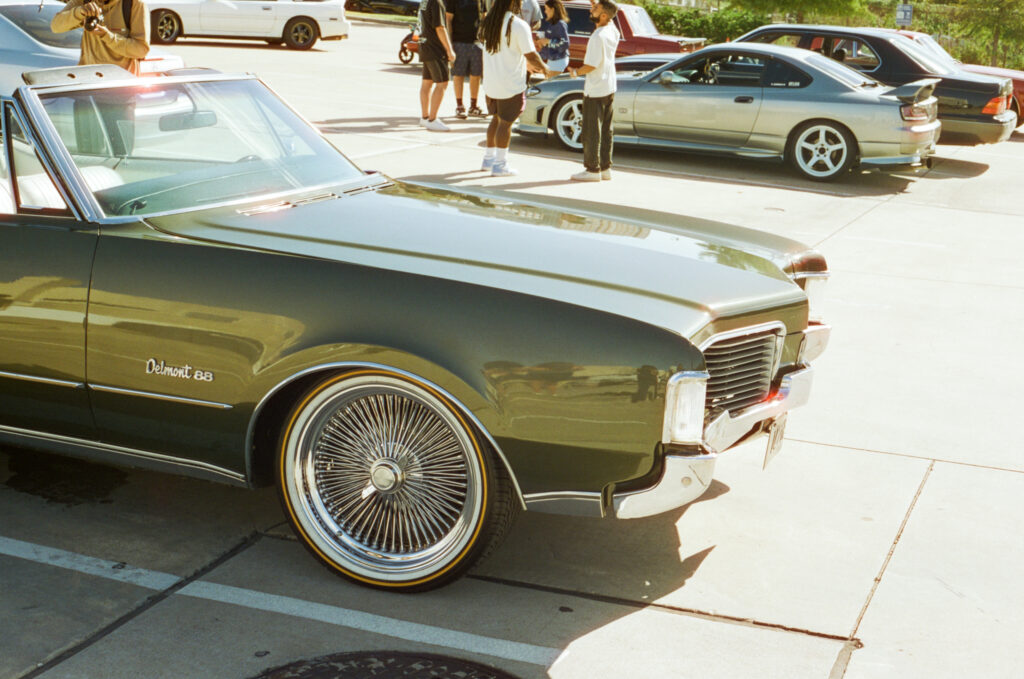
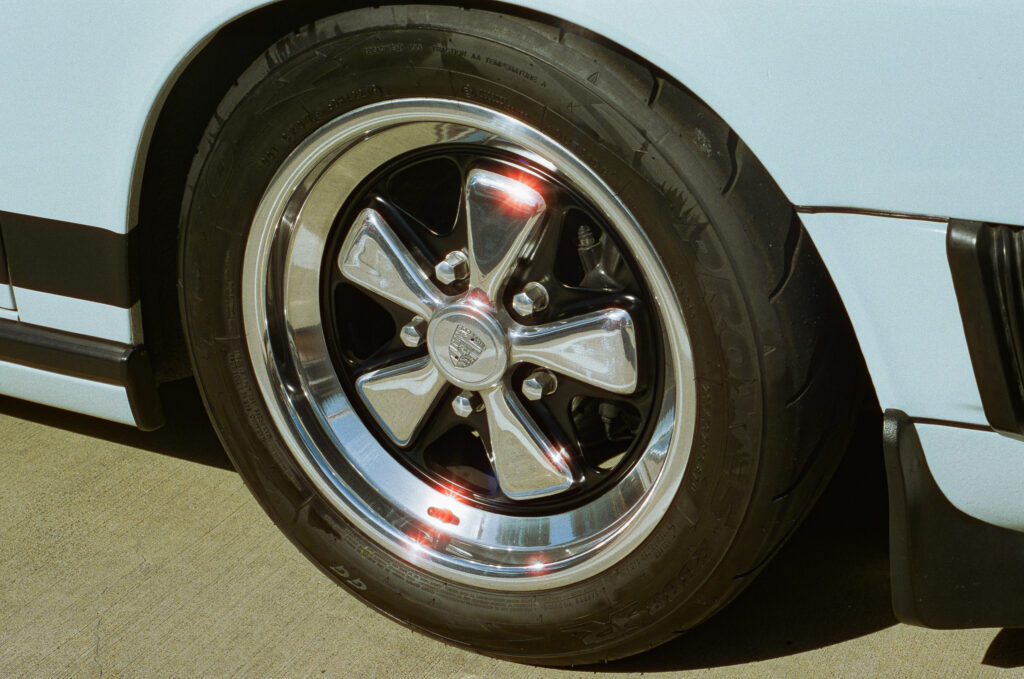
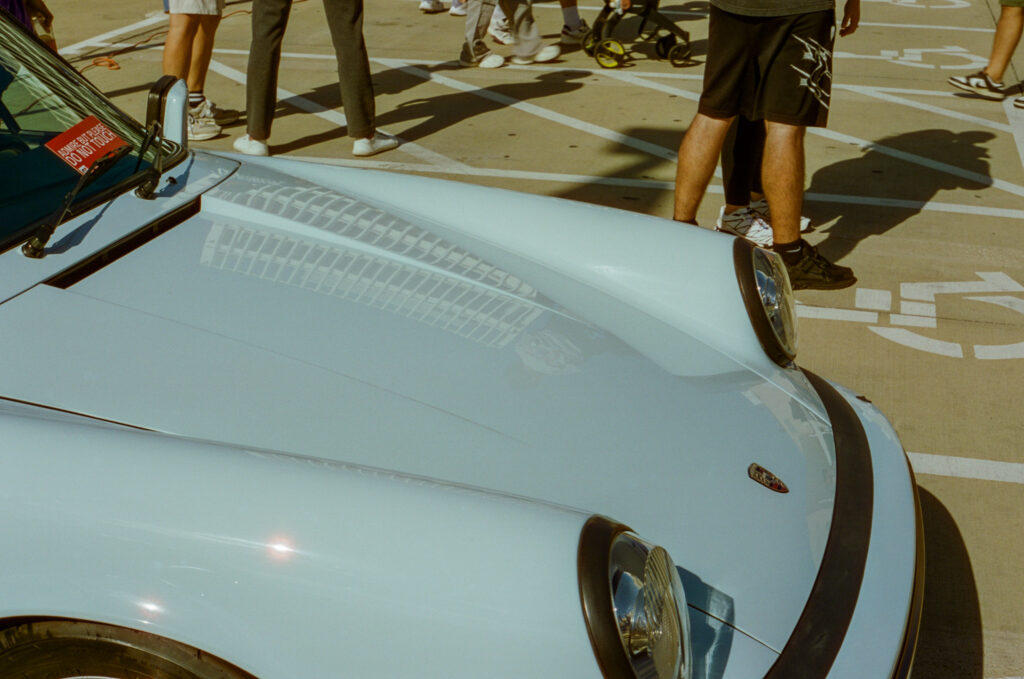
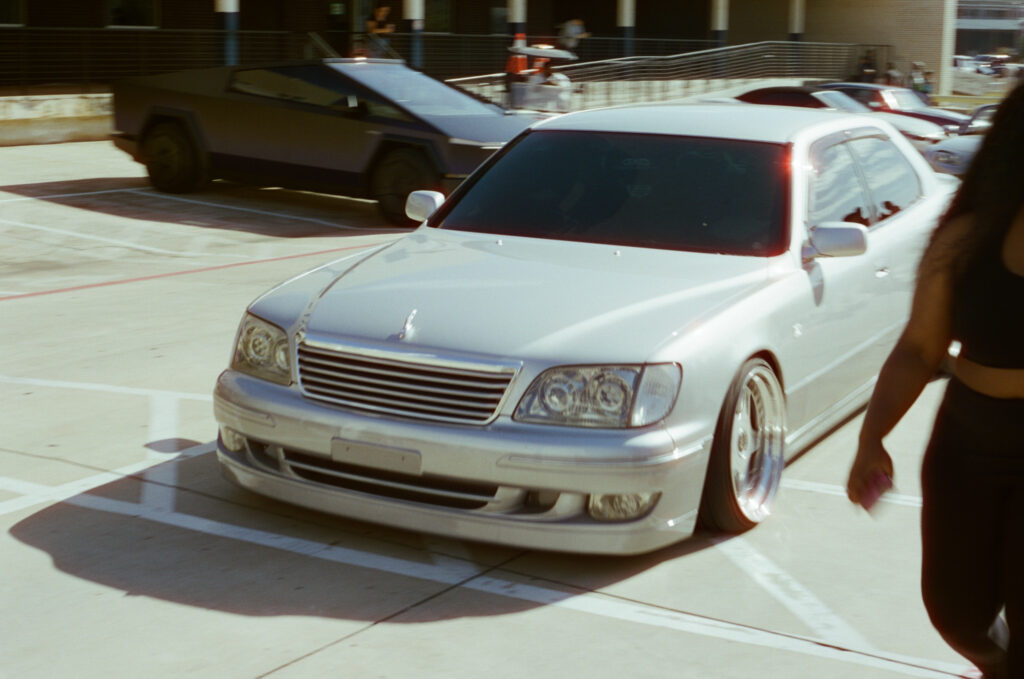
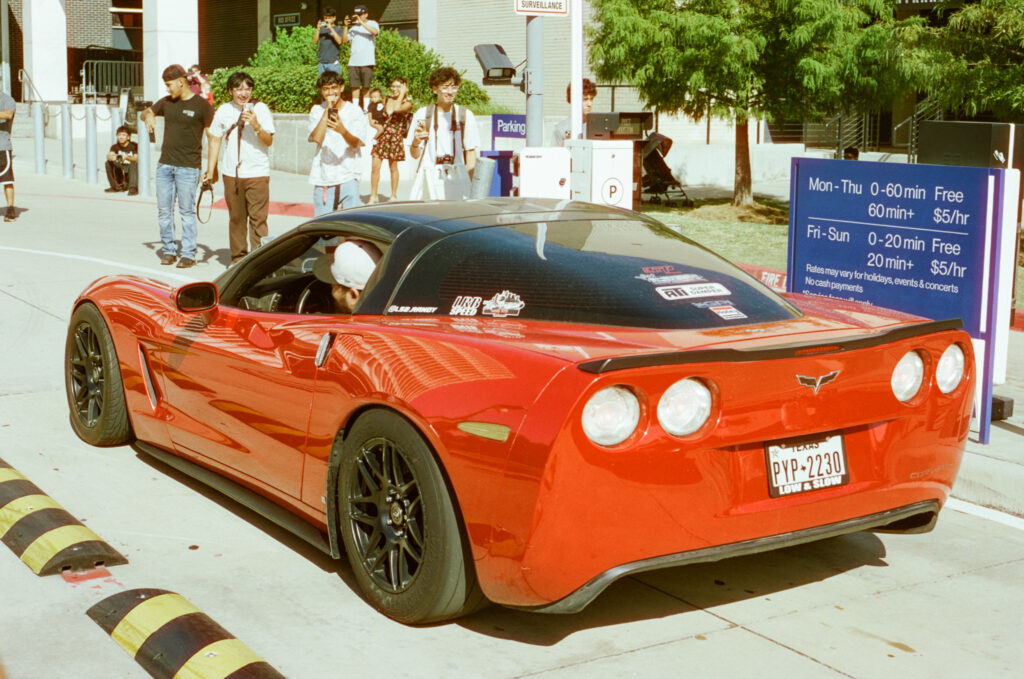
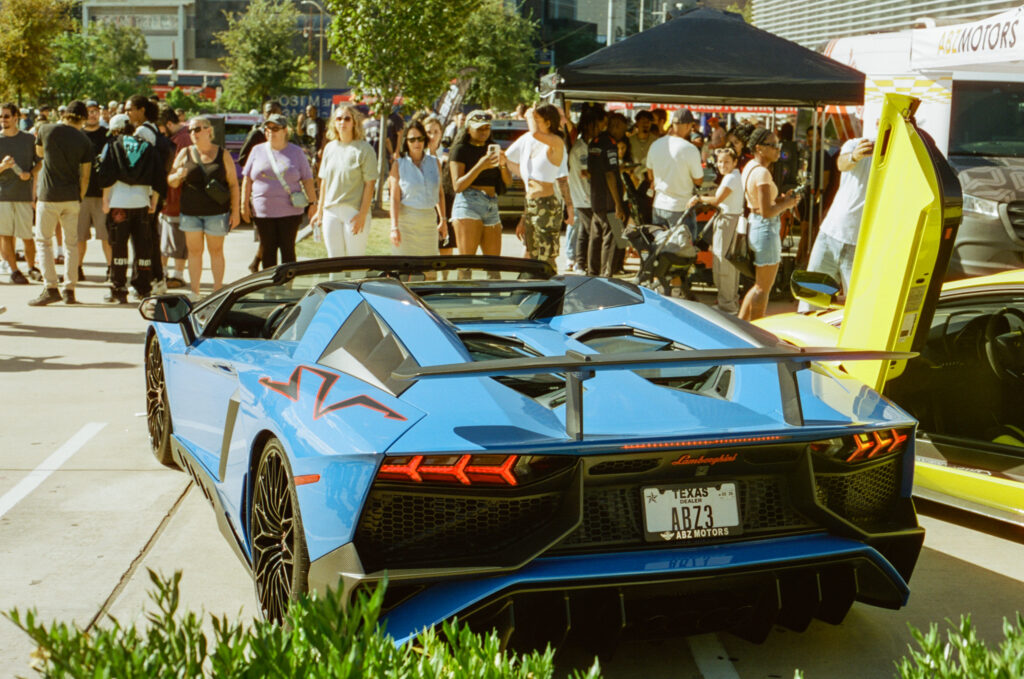
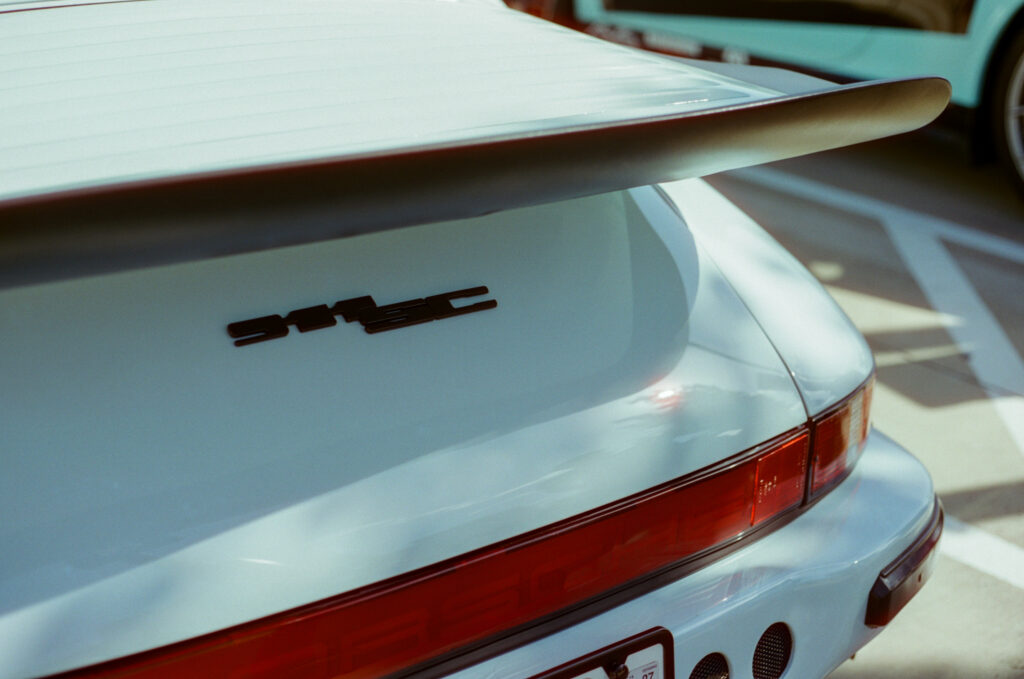
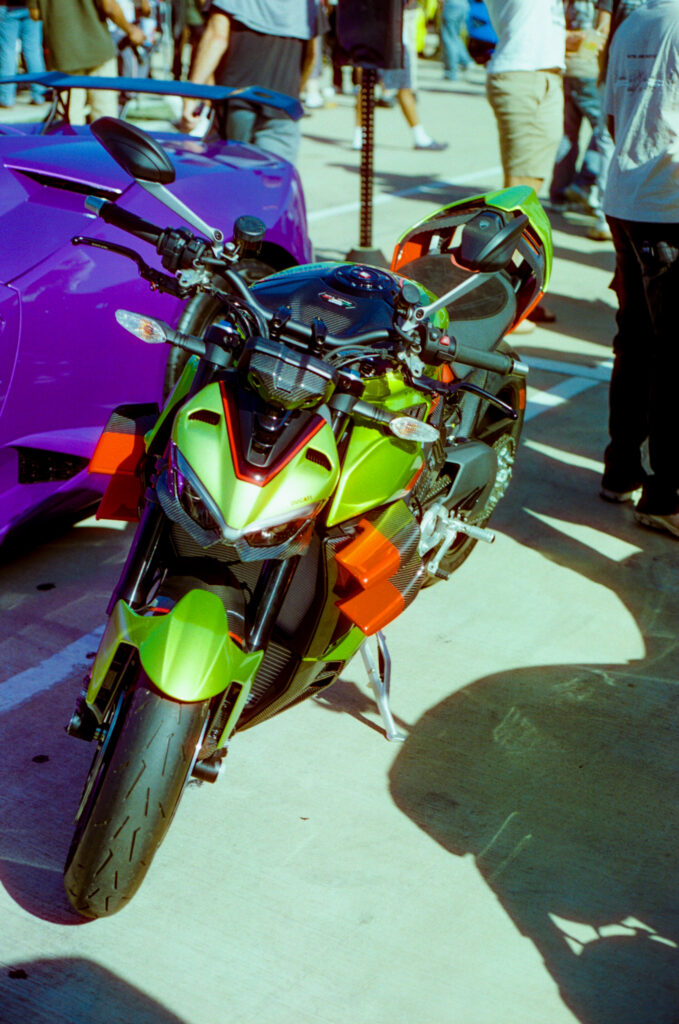
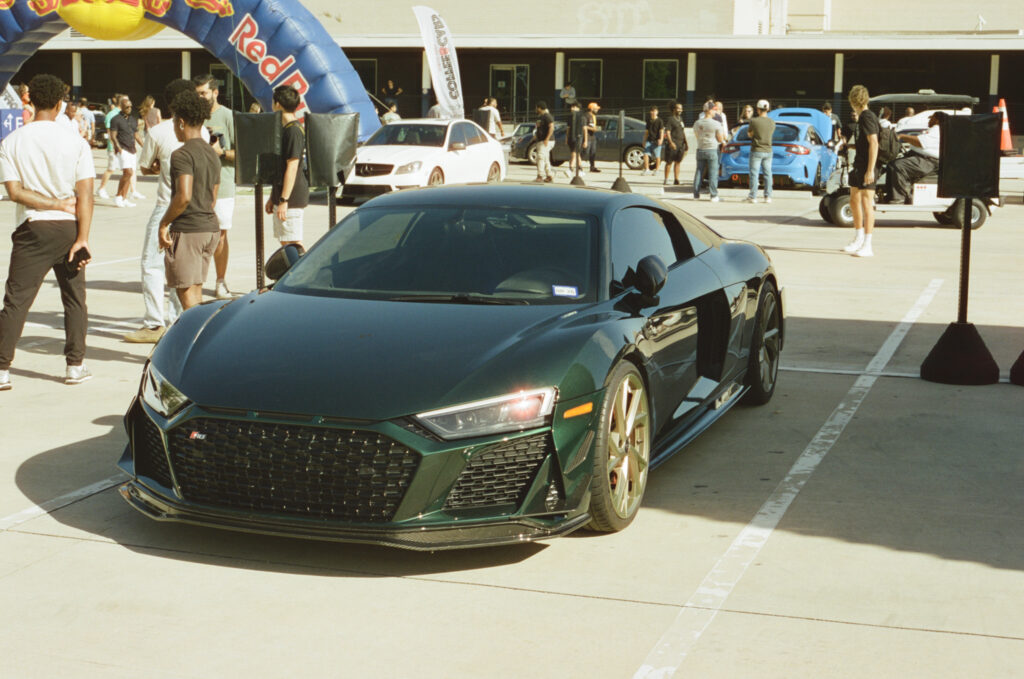
There’s something about being outdoors in full sunlight, surrounded by high-gloss paint, chrome details, and mechanical art, that makes a car show the perfect place to reach for film again. On a recent crisp morning at Coffee & Cars at POST (Houston’s monthly roll-out of luxury, exotic, and open section machines), I decided to swap the usual digital routine for a film setup — loading up a roll of CineStill 50D and letting the chemistry do its thing.
Why film? Why now?
When everyone around you is whipping out their DSLR or smartphone and trying to get the shot, film offers an alternative path — one with a slower pulse, deeper texture, and more character. With film, you’re embracing uncertainty: you won’t see the image instantly, you won’t make 200 captures of the same car, you’ll commit to a frame at a moment.
And when the paintwork is brilliant, the sun is high and the conditions are ideal (zero clouds, no haze, crisp shadows) — film can shine. In fact, CineStill 50D is designed explicitly for daylight, full-sun conditions: it’s ISO 50, daylight-balanced, with excellent grain and rich color saturation when the light is intense.
The Darkroom Photo Lab
+1
So I thought: let’s do it. Let’s give film the spotlight in a scene dominated by digital.
The scene
Arriving at the POST east parking lot just after 9 a.m., the cars were already lined up. Rows of exotic machines, curated feature sections, plus an open display for anyone with “incredible machines” wanting to show up.
POST Houston
The sun was climbing, the paintwork gleaming, the reflections dancing — everything felt tuned for analog capture.
What struck me: the variety of paint colors. From understated metallic greys and blacks to vibrant blues, greens, oranges, and even custom wraps that seemed to glow under the sun. With the film loaded, I walked through, camera hanging, scanning for moments where light, paint, and design collided.
Why CineStill 50D?
Because it loves full sun, the reviews point out that this film performs best when there’s strong daylight — the colors pop, the contrast works, the fine grain shows detail.
Shoot It With Film
+1
Because the low ISO (50) forces intention. You can’t just shoot willy-nilly and hope for the best. You commit.
Because the film stock carries a subtle but distinct vibe: motion-picture roots (CineStill adapts motion-picture emulsions for stills), fine grain, and beautiful color renditions.
Wikipedia
So, at a car show on a morning with perfect light, it felt like a gamble worth taking.
What I saw (and captured)
Walking among the cars, these moments stood out:
A deep emerald green McLaren (or equivalent exotic) whose metallic flake caught the sun, and the film rendered the hue with a richness that digital often flattens.
A matte-grey Porsche with a swooping bodyline, where the highlight grazing the roof edge caught a subtle halo of light — film loves those nuances.
A bright orange Ferrari or similar, paint almost photoluminescent under the sun, and the film giving it depth, rather than just “bright orange”.
The reflections in a polished black hood: trees, sky, other cars, light. Film rendered those reflections with texture, where digital sometimes turns them into blown-out blobs.
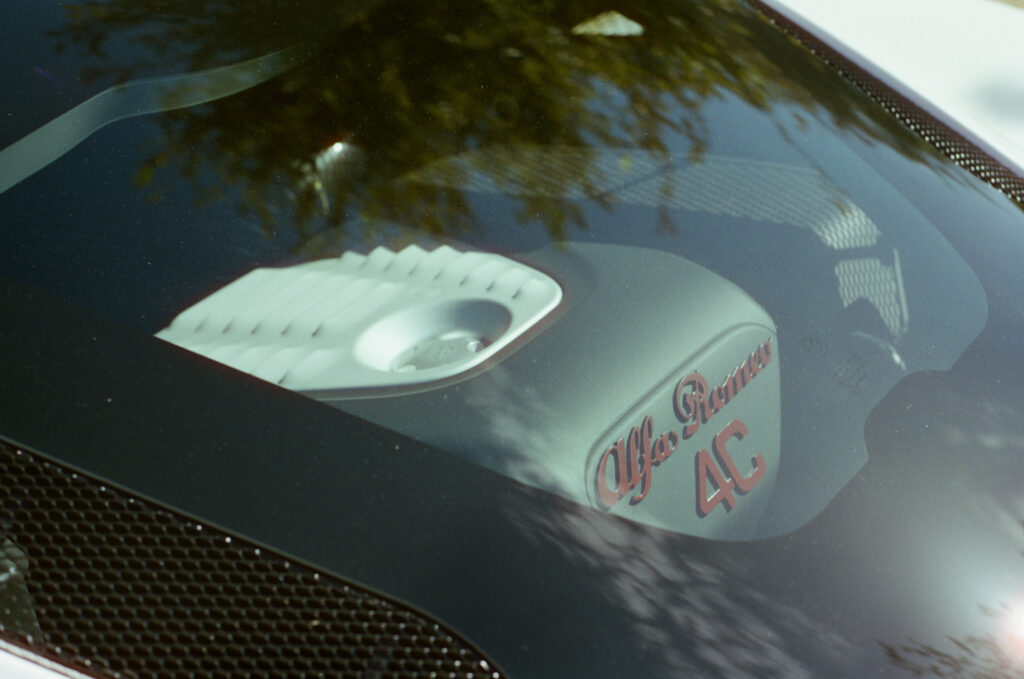
Details that show up: badges, side vents, carbon-fiber patterns, and colored brake calipers glowing through the wheels. These smaller moments get framed differently when you’re slowed down by film.
Why this matters
In an age where digital rules everything — instant previews, hundreds of images, “did I get it?” checks on the back screen — choosing film at a car show is an act of deliberate slowing. It’s about being present. It’s about crafting a memory, not just snapping a record.
It’s also about bringing film-photography culture into spaces that don’t always see it. Car shows are often digital-heavy: automotive photographers with big DSLRs, smartphone shooters, influencers. Film invites a different aesthetic. It invites curiosity: people asking, “Are you shooting film?” “What film is that?” “How many shots do you have left?”
By using film at a car show, you create a slight friction — and that friction gives you space. Space to observe the cars, the light interplay, and the environment. Space to think about your composition before you click. Space to trust that one frame might be enough.
Practical tips if you want to try it
Pick a sunny morning. The stronger the daylight, the better a daylight-balanced, low iso film like CineStill 50D will perform.
Accept the limitations: fewer frames means fewer wasted shots. That helps you focus.
Pay attention to paint finishes: metallic flake, matte wraps vs gloss, reflections. Film treats those differently than digital; be aware of overblown highlights.
Don’t rush. Walk, pause, look back. Film gives you a reason to slow down.
After the event, when scanning, treat the images as tangible artifacts. Embrace the subtle grain, the color shifts, the character that film brings. These are part of the charm — not something to hide.
Final thought
As the morning wrapped up and the car show shifted its energy (owners preparing for departures, spectators regrouping), I looked at the last roll of film in my camera and felt good about it.
I had chosen film when I didn’t have to. I had slowed when I could’ve sped. I had trusted the medium to translate what I saw—not just record it. And when I review the scans from that roll, I know the paint colors glinting under the sun, I see the shadows under the cars, I see reflections and texture. I see time held still.
If you’re at a car show soon, bring a film camera. Pop a roll in. Load it thinking “what light is doing right now”, not “how many shots can I get”. It might change how you look at the scene. And maybe it’ll change how the scene looks back.

Hi, this is a comment.
To get started with moderating, editing, and deleting comments, please visit the Comments screen in the dashboard.
Commenter avatars come from Gravatar.
Amazing colors and framing. Moving art in all its best forms.